Ohrna is a socially conscious enterprise driven by design. Our mission extends beyond aesthetics, aiming to provide meaningful employment to rural women in Maharashtra.
THE HARSH REALITY
Women in rural India especially, experience a lot of inequity
The divide between urban and rural in India is very stark, with each population facing very different challenges, and women being disproportionately impacted. This also presents unique opportunities for innovation.
THE PROBLEM
Bound by societal norms and lack of education, rural women often have no skills to offer or means to earn a living.
THE OPPORTUNITY
How Might We equip women in rural India with marketable skills to attain financial independence without needing to leave their villages?
HOW IT STARTED
Founding Story
Ohrna started, not as a business, but with a feeling. In 2011, Jhumkee traveled to Khandala, a village 2 hours away from her hometown of Pune to teach a design workshop to young students at a rural highschool there. That and subsequent encounters with women in rural India made her realize how opportunity is everything. Reflecting on her own education with gratitude, she felt a burning desire to give back, and create opportunities within communities who never had the chance.
Years later, in 2018, these feelings translated into a business, taking shape as a Social Enterprise focused on skill-building in rural India. Jhumkee started traveling to a few neighboring villages, running training workshops to teach women how to sew. She sent the first batch of products to the US, to test and market them amongst friends and family. She was joined part time by her daughter Mitul, who worked on brand building and establishing the digital presence.
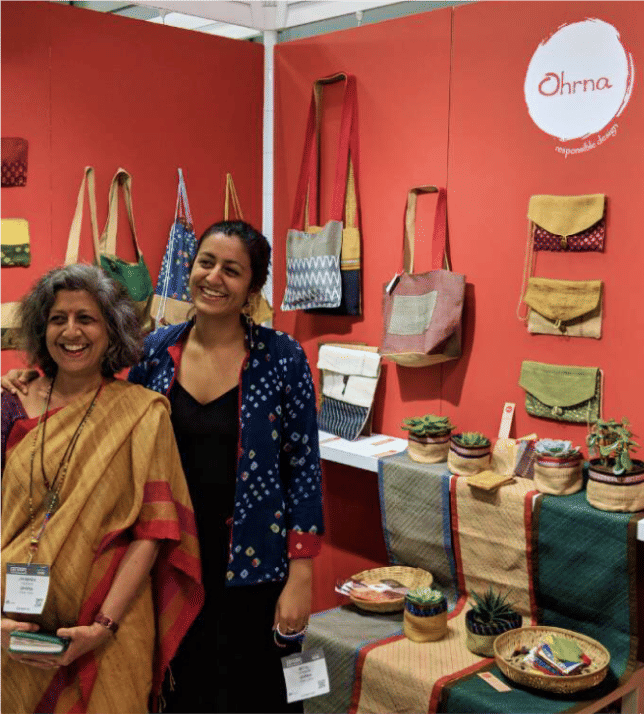
We first launched our products for a US audience. After being selected as the only Indian brand in a market incubator program atNY NOW, we gradually started selling to wholesale customers across the US, as well as through our website. In 2019, we debuted in India at Bhimthadi Jatra, a prominent exhibition platform for rural artisans in Pune.
When the world shut down a few months later for COVID, our operations took a big hit, and forced us to reevaluate our strategy. We started to focus on online partner platforms. As the world returns to interacting in person, we’re moving back toward an exhibition model. It createsthe opportunity for our makers to interact with customers, understand what it takes to market products, and learn skills to sell.
HOW WE WORK
We create opportunities through Responsible Design
What do we mean by ‘Responsible Design’? It means that every design decision we make is with a responsibility to people and the planet, ensuring we always operate with our core ethics and values.
Ohrna is unique, very different from the typical. Artisan Businessselling handmade goods work with artisan communities who have a specific skill to offer. While artisans too have their struggles, they can get some work or the other because they have a skill to offer. On the other hand, rural housewives or farmers, along with not having had an opportunity, also suffer tremendous social barriers to step outside home for work.
We specifically train for free, and employ these rural housewives or farmers, staying true to our mission of providing opportunities to those who never had any. Many of these women don’t know how to read or write, while several of them have never been allowed to leave their homes or villages. Some have never sewn in their lives.
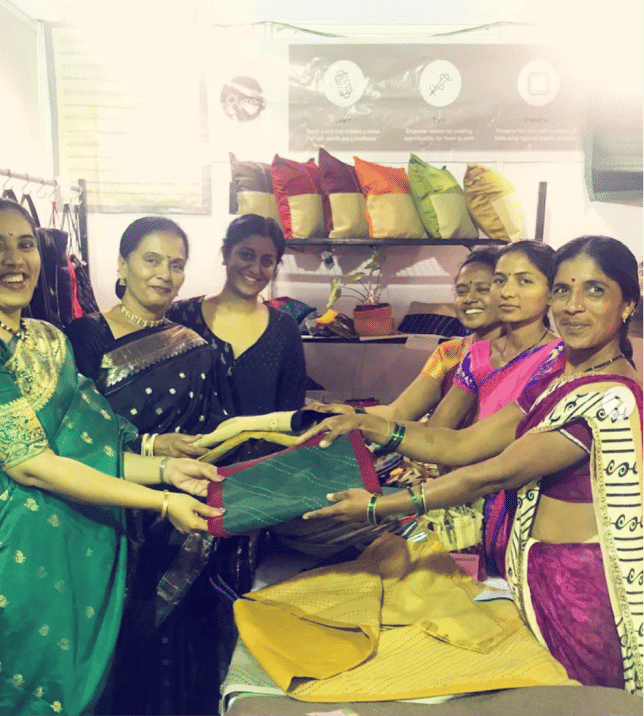
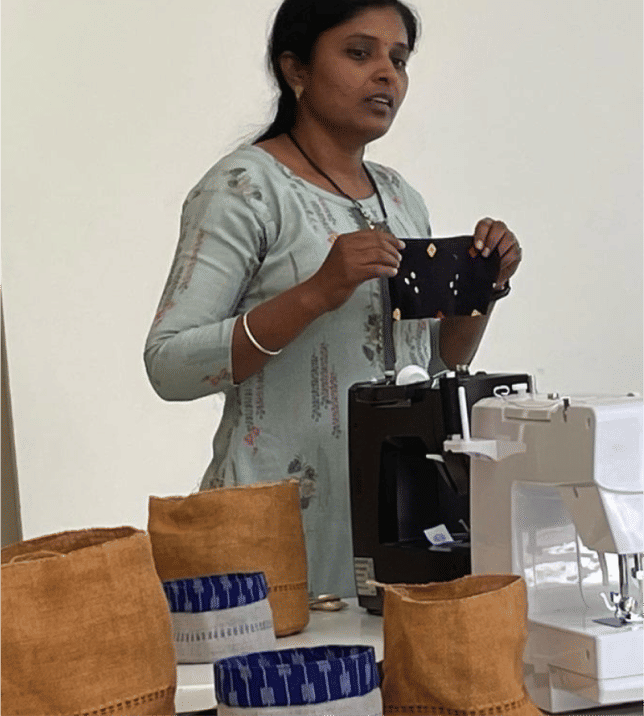
Through free skill-building workshops, as well as a lot of time and patience, we train these women to go from makers to artisans. For our quality requirements, this usually takes 2 to 3 years. We also provide them with our materials and pay them to make the products we design. We then try and market and sell these products globally, through both online and offline channels.
OUR PROCESS
Adapt and Evolve
As the organization evolved, we have constantly tried to adapt as we learned what worked and what didn’t. Since our training process is the most critical part of what we do, we have iterated on it several times over the years.
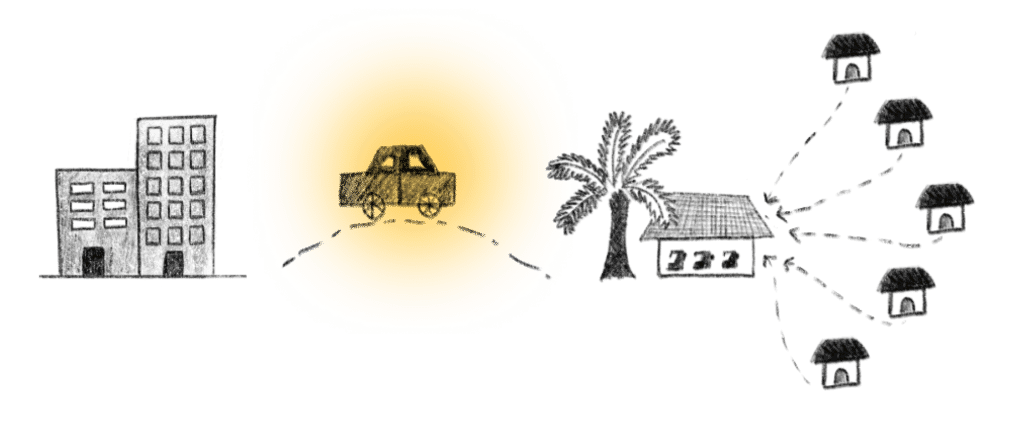
In the beginning…
We would travel from the city to the village to host workshops every fortnight
This brought with it a lot of logistical challenges but we persisted. It came to a standstill however, during the pandemic. So we thought…
How Might We reach more women in need of work?
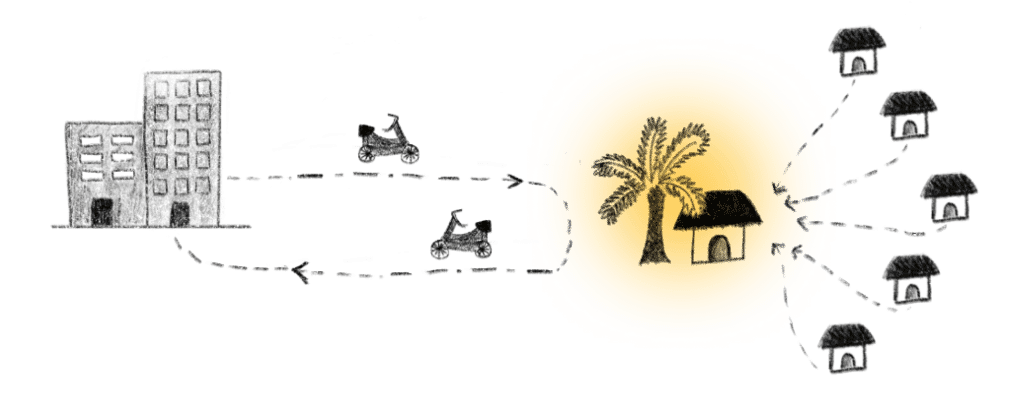
Next…
Over time, some makers grew into trainers. One of them purchased a scooter with her earnings, and started coming more frequently, collected materials and trained the women in her neighbourhood.
While this has enabled us to reach more women, learning-retention and quality have been continued issues. So we thought…
How Might We empower our trainers to provide quality training, and improve learning & retention?
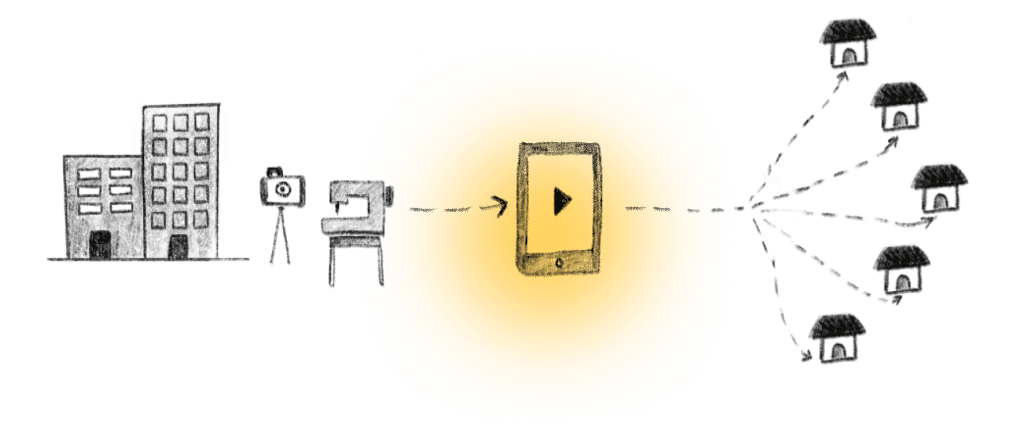
Today…
We are leveraging technology to prototype a training supplement
Through tutorial videos and integratedquality checklists, we aim to ensure high quality and repeatability, for low literacy and non tech-savvy learners.
OUR IMPACT
Stories of empowerment
While impact is usually quantified in tangible and measurable terms, there are many qualitative forms of impact that are harder to quantify but much more important to create long-lasting change.
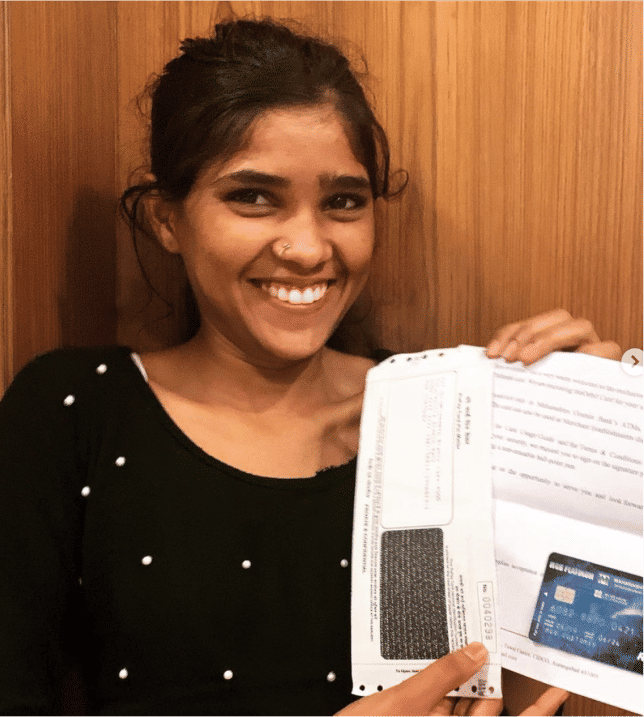
Kajal got her first debit card after creating her very own bank account
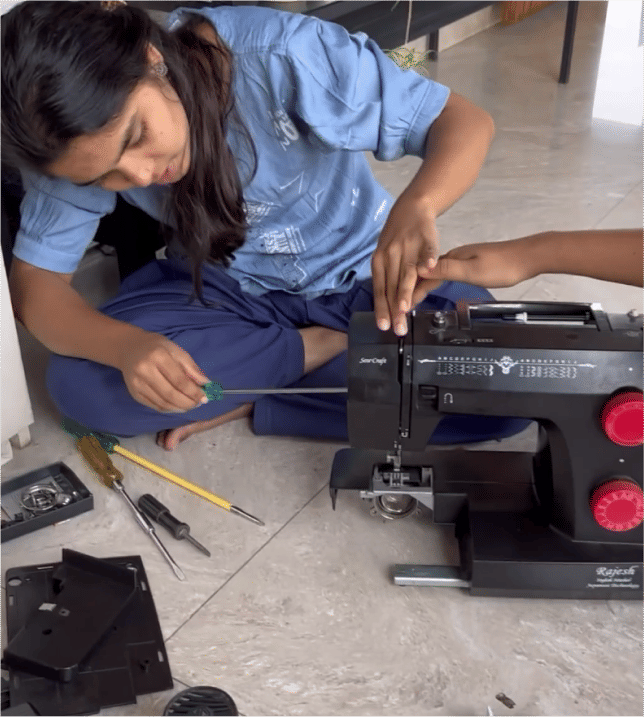
Yogita learnt how to service a sewing machine
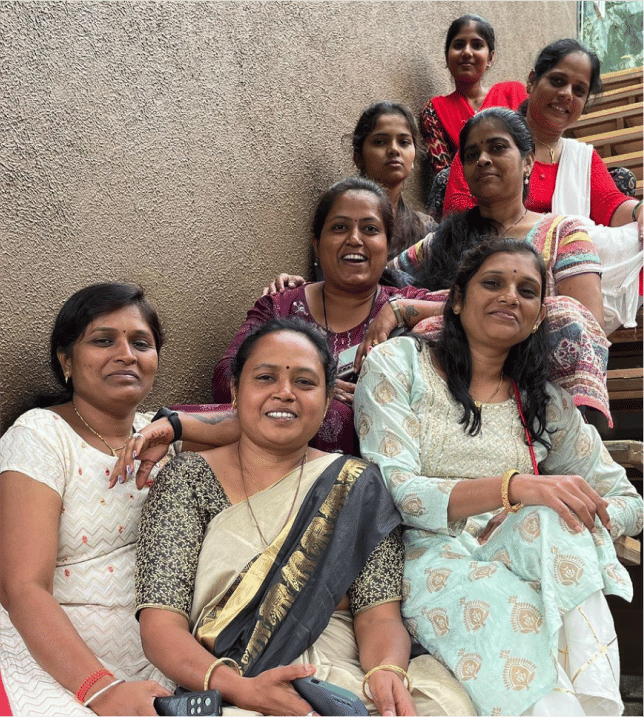
We’ve fostered a feeling of community for our makers
We participated in 13 trade shows & exhibitions across India and the US
Our makers who started out very shy, now confidently make sales at exhibitions
Ranjana started as a maker, and now leads training sessions for new makers
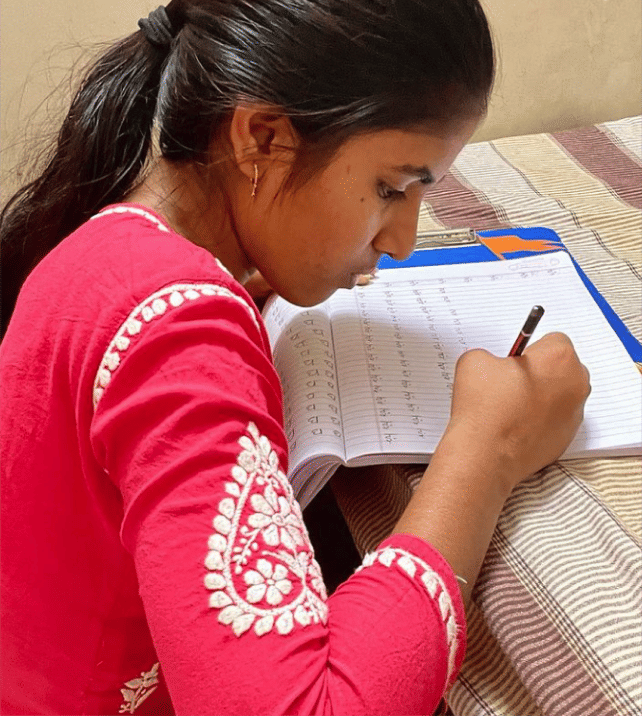
Sonam never went to school, and is now learning how to read and write.
We were selected in an incubator & accelerator for rising artisan groups