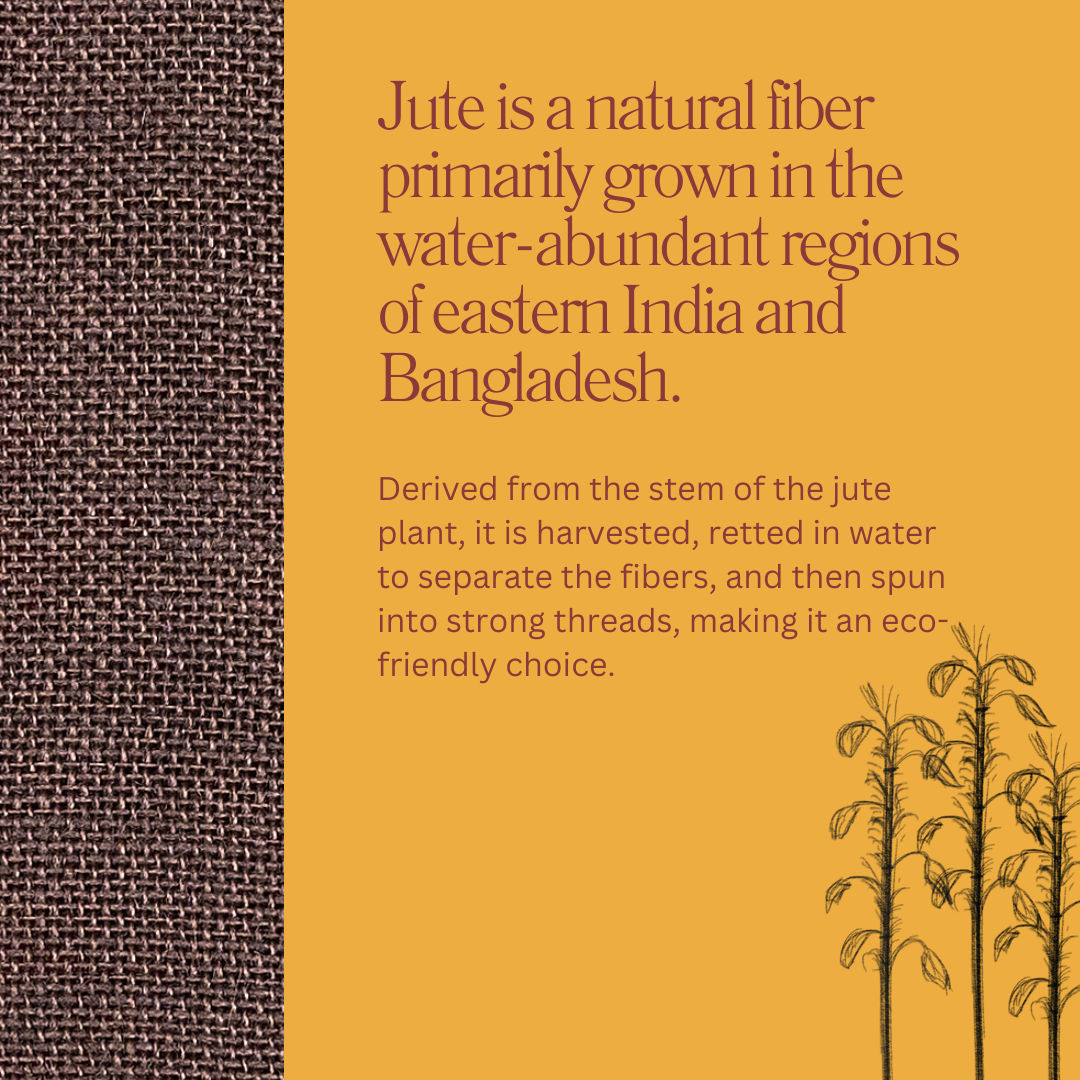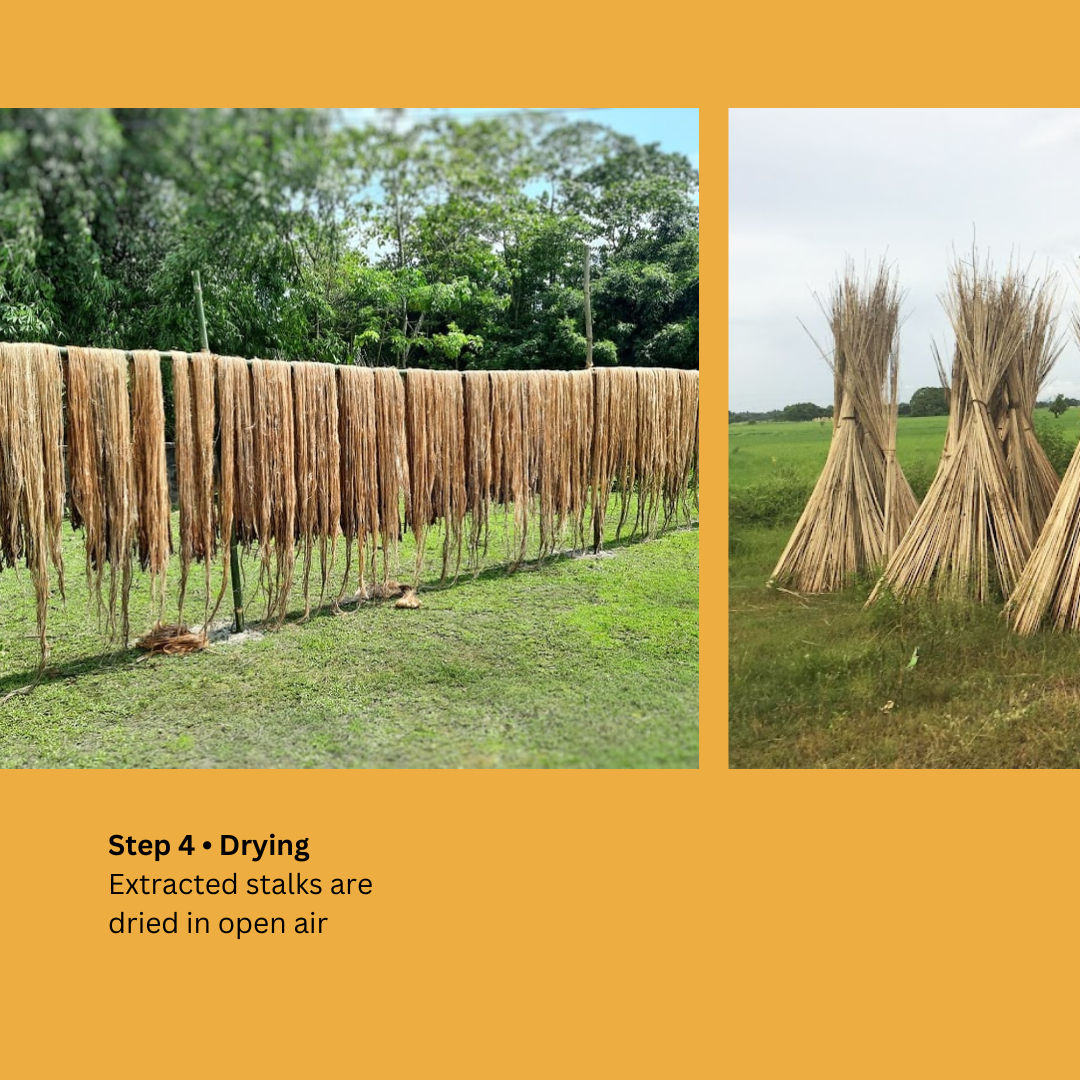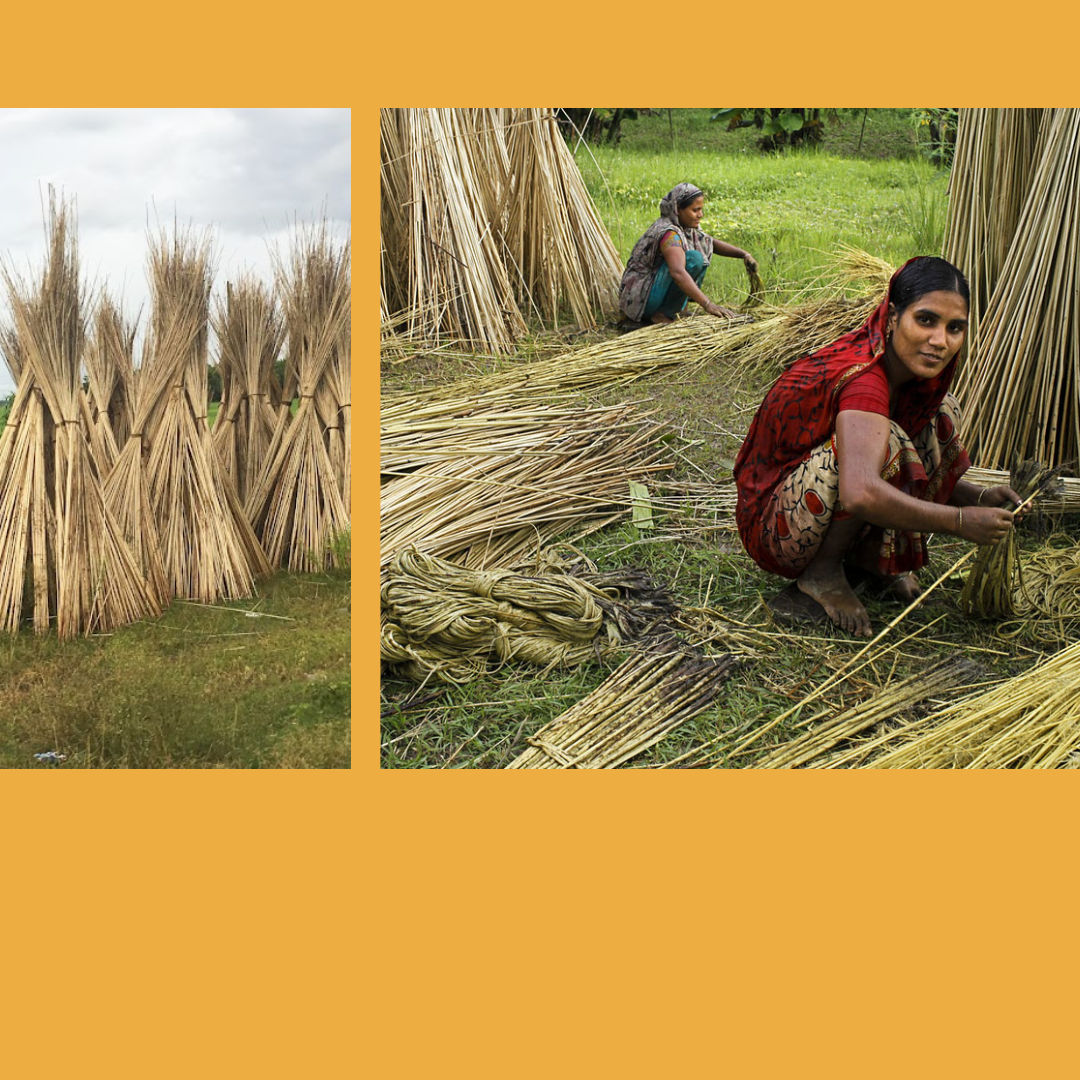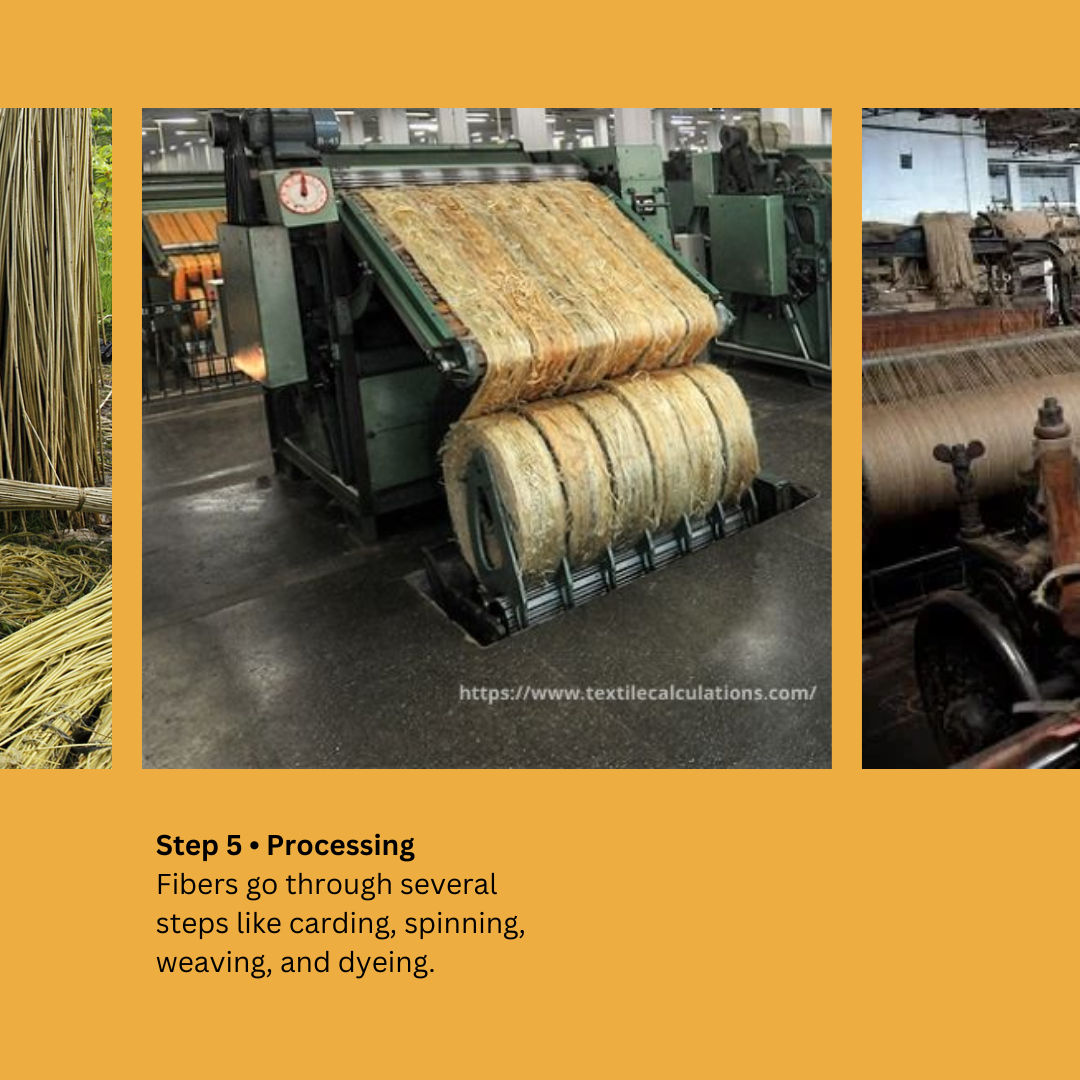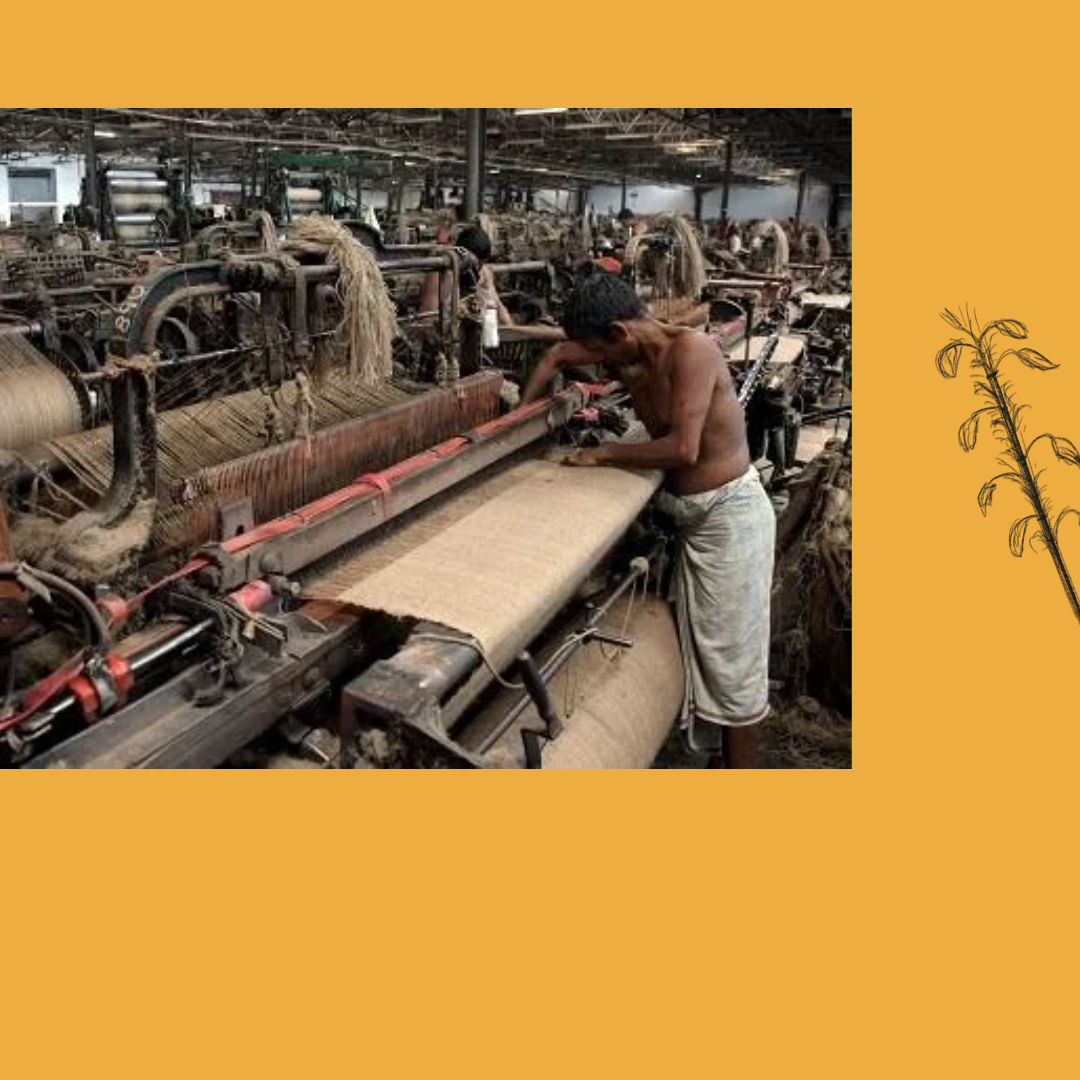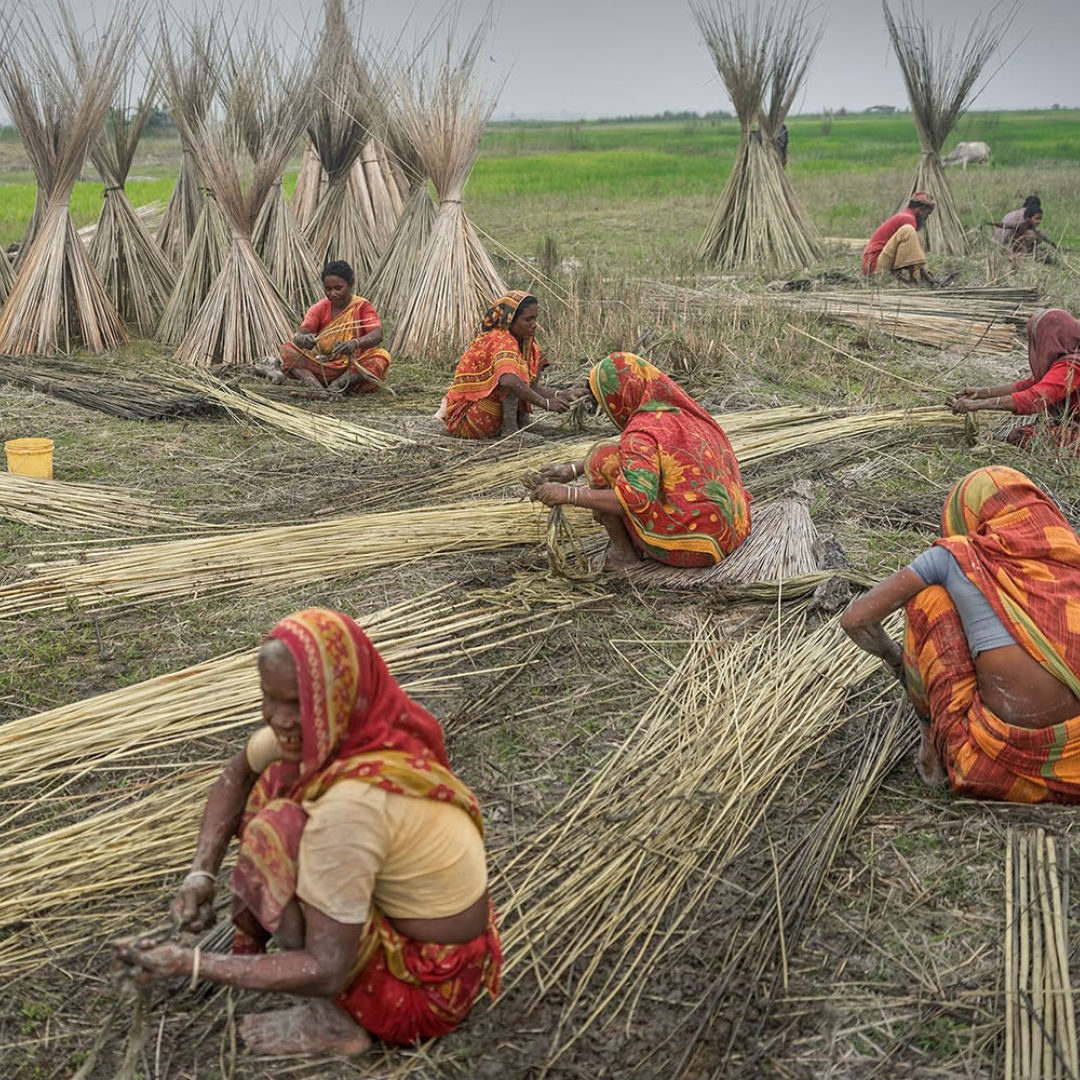
At Ohrna, our commitment to sustainability is deeply rooted in our choice of jute as our primary raw material. Jute, known as the “golden fiber,” embodies ecological responsibility and supports local communities, making it a natural fit for our ethos.
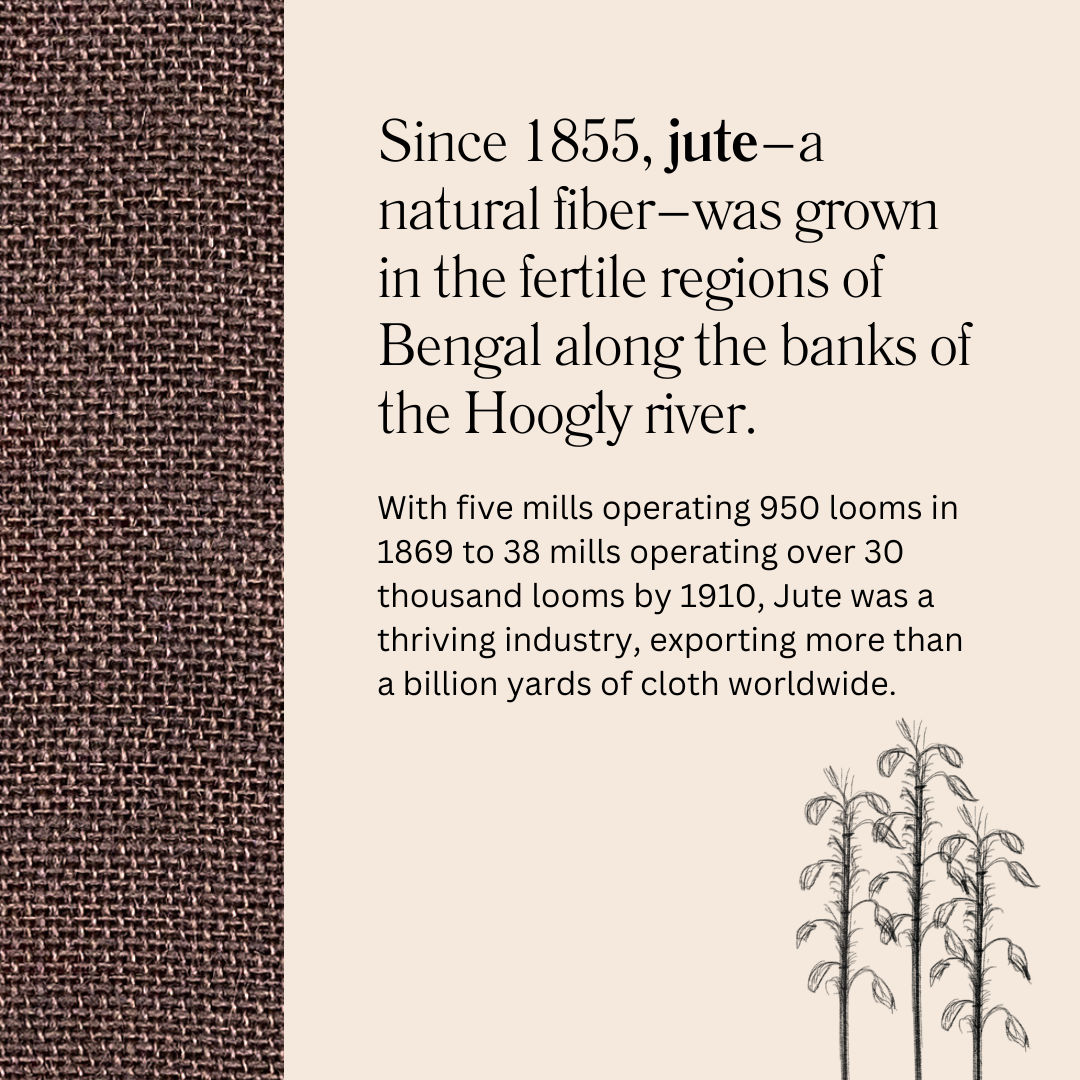
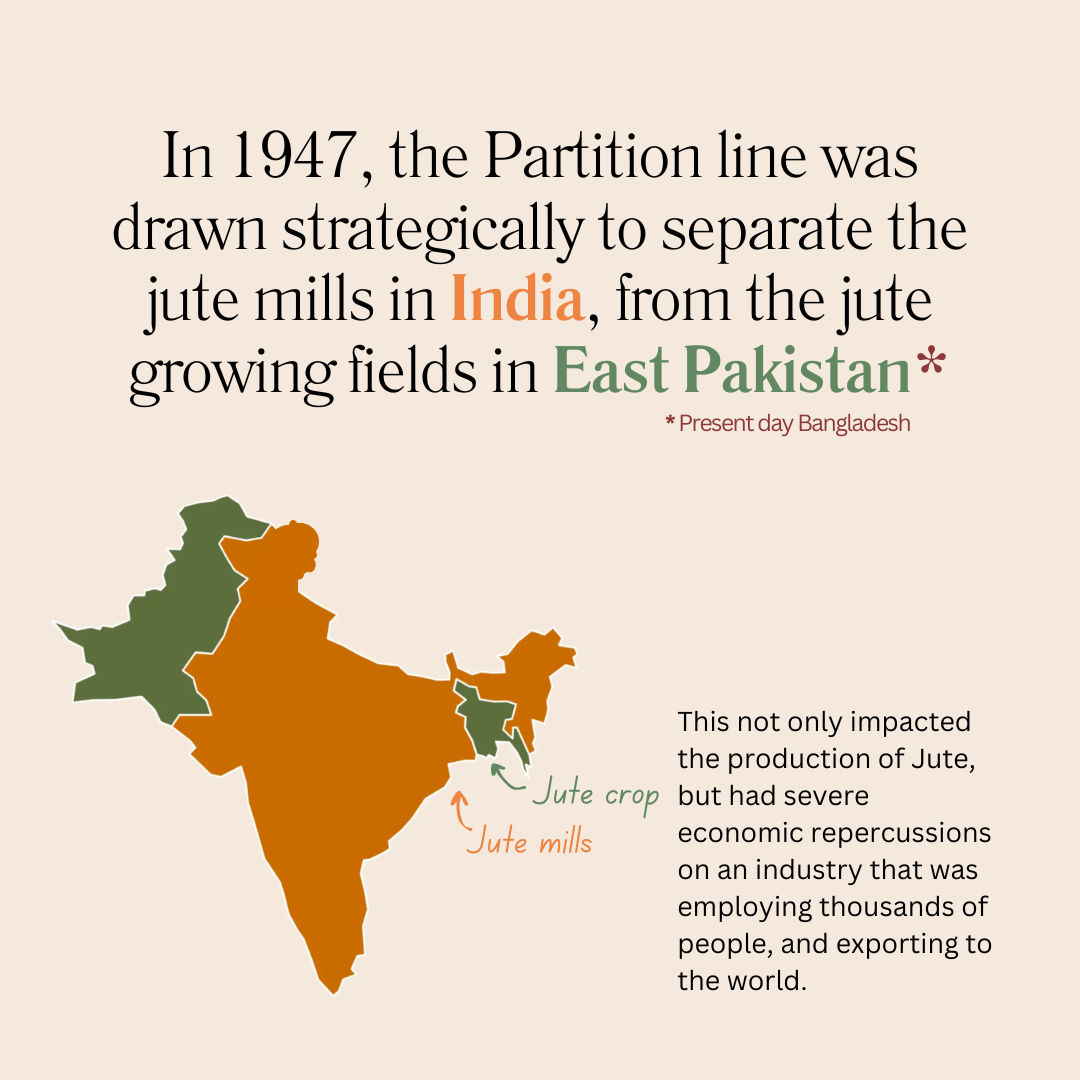
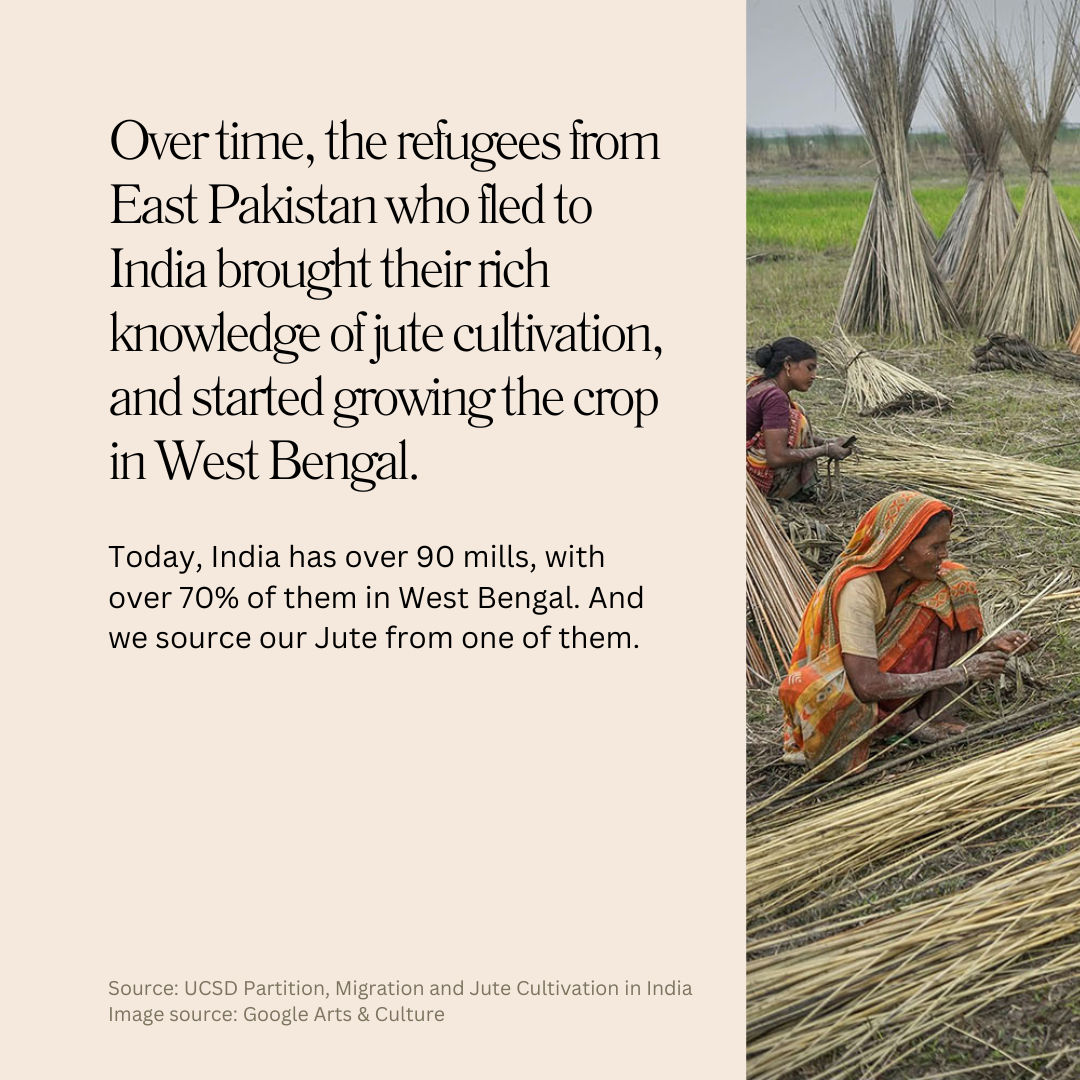
Since 1855, jute has flourished in the fertile regions of Bengal, along the banks of the Hoogly river. The industry thrived, with exports of jute cloth exceeding a billion yards worldwide by 1910. However, the Partition of India in 1947 strategically separated jute mills in India from the jute-growing fields in East Pakistan, severely impacting production and causing economic repercussions. Over time, refugees from East Pakistan brought their expertise to West Bengal, revitalizing jute cultivation. Today, India boasts over 90 jute mills, with a significant majority in West Bengal, including the source of our jute at Ohrna.
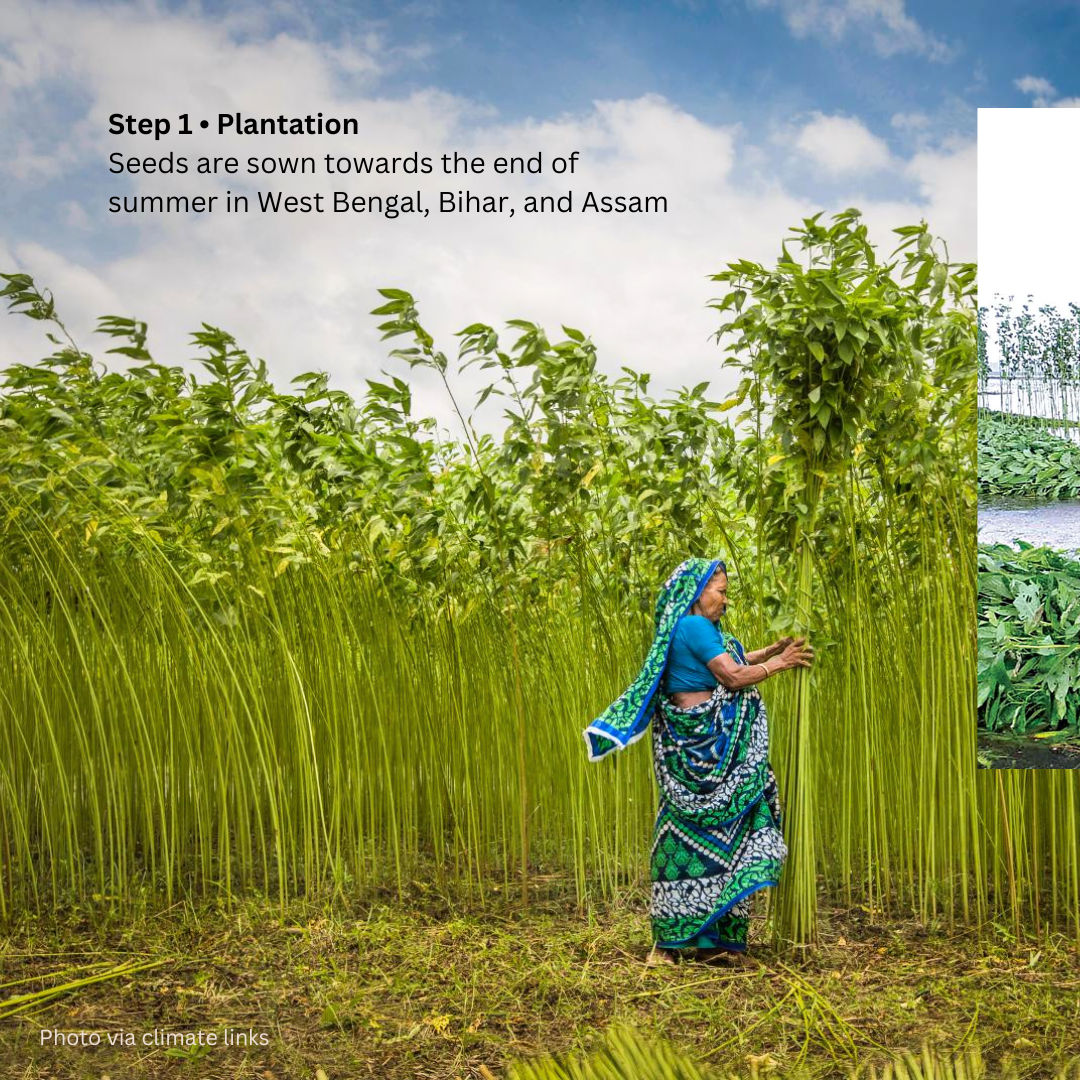
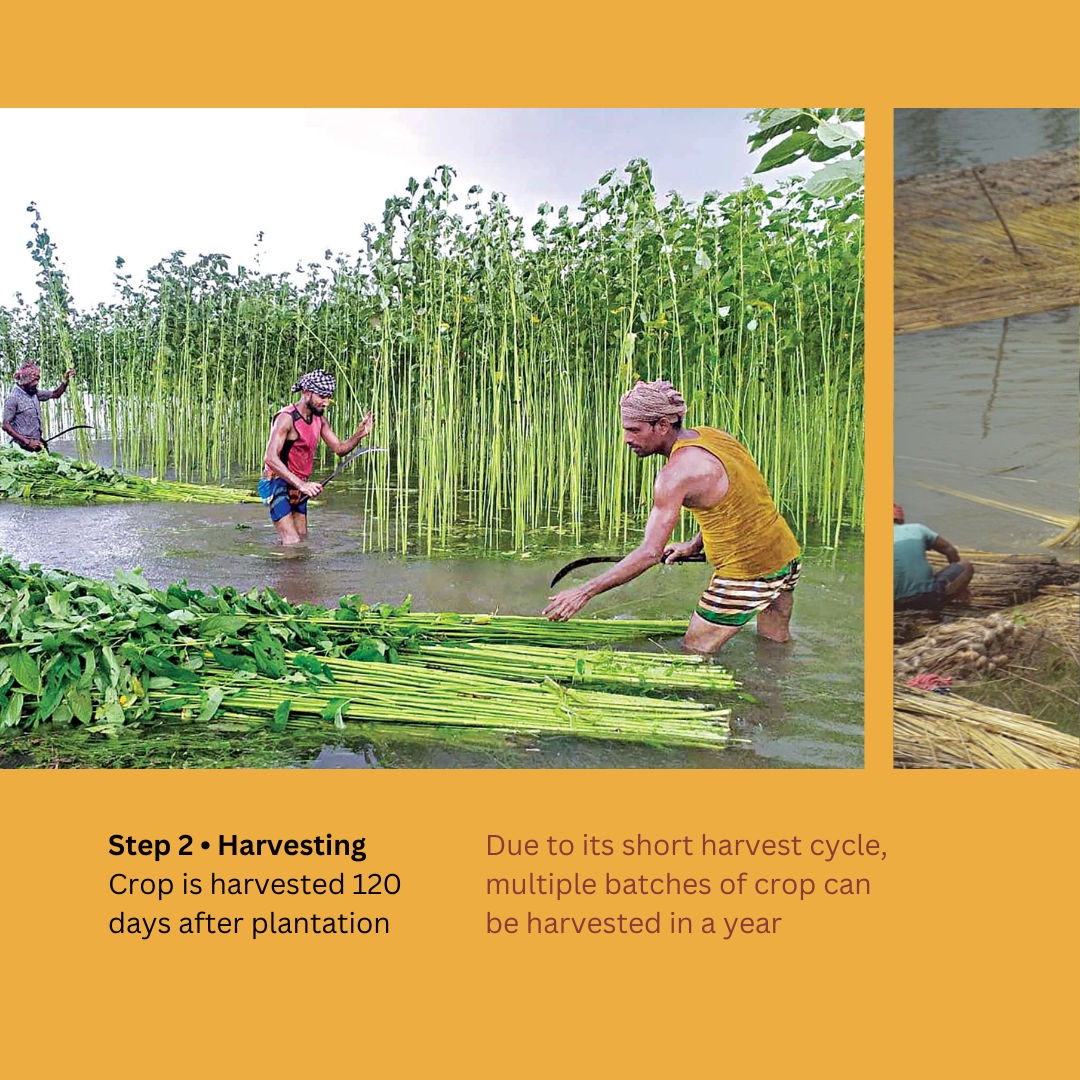
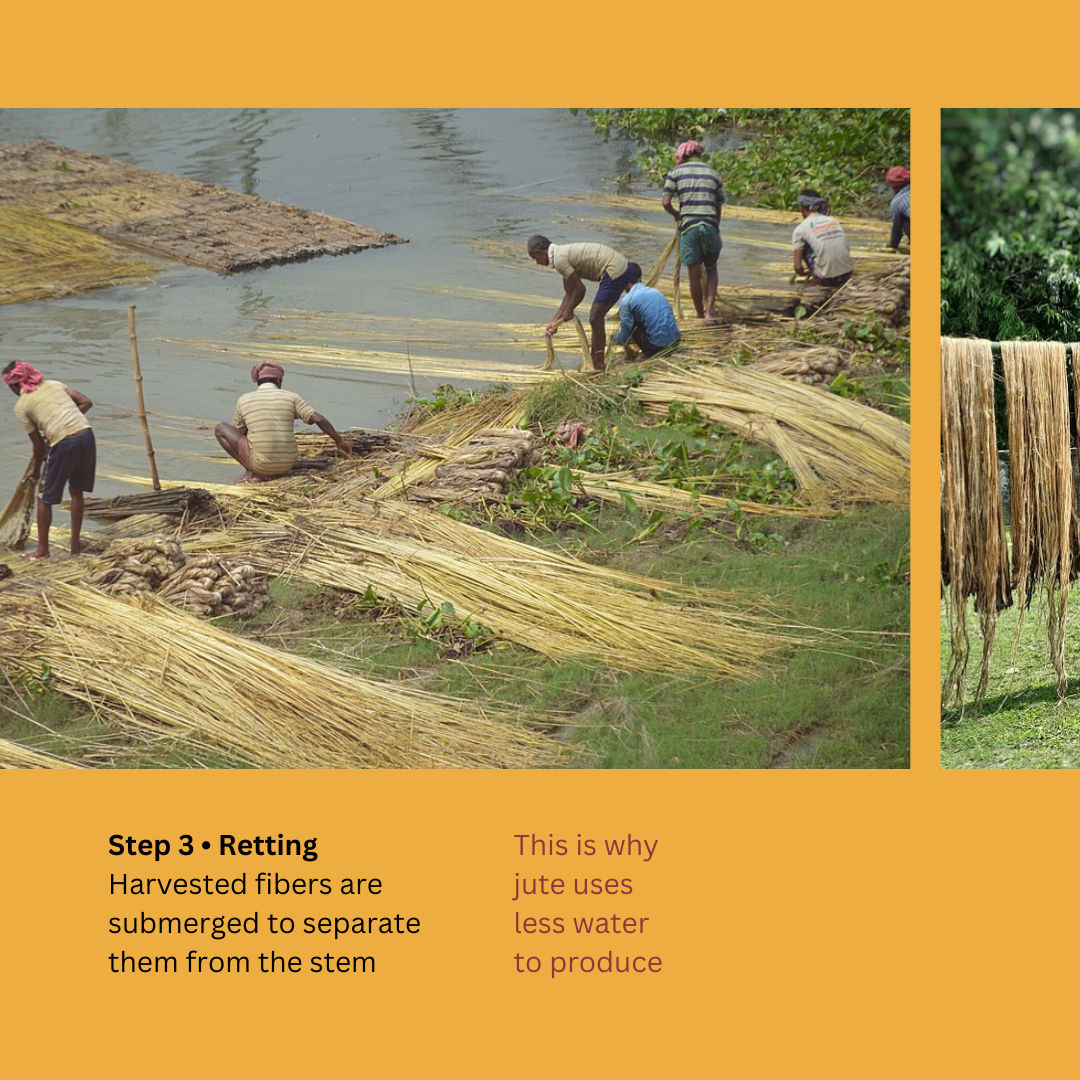
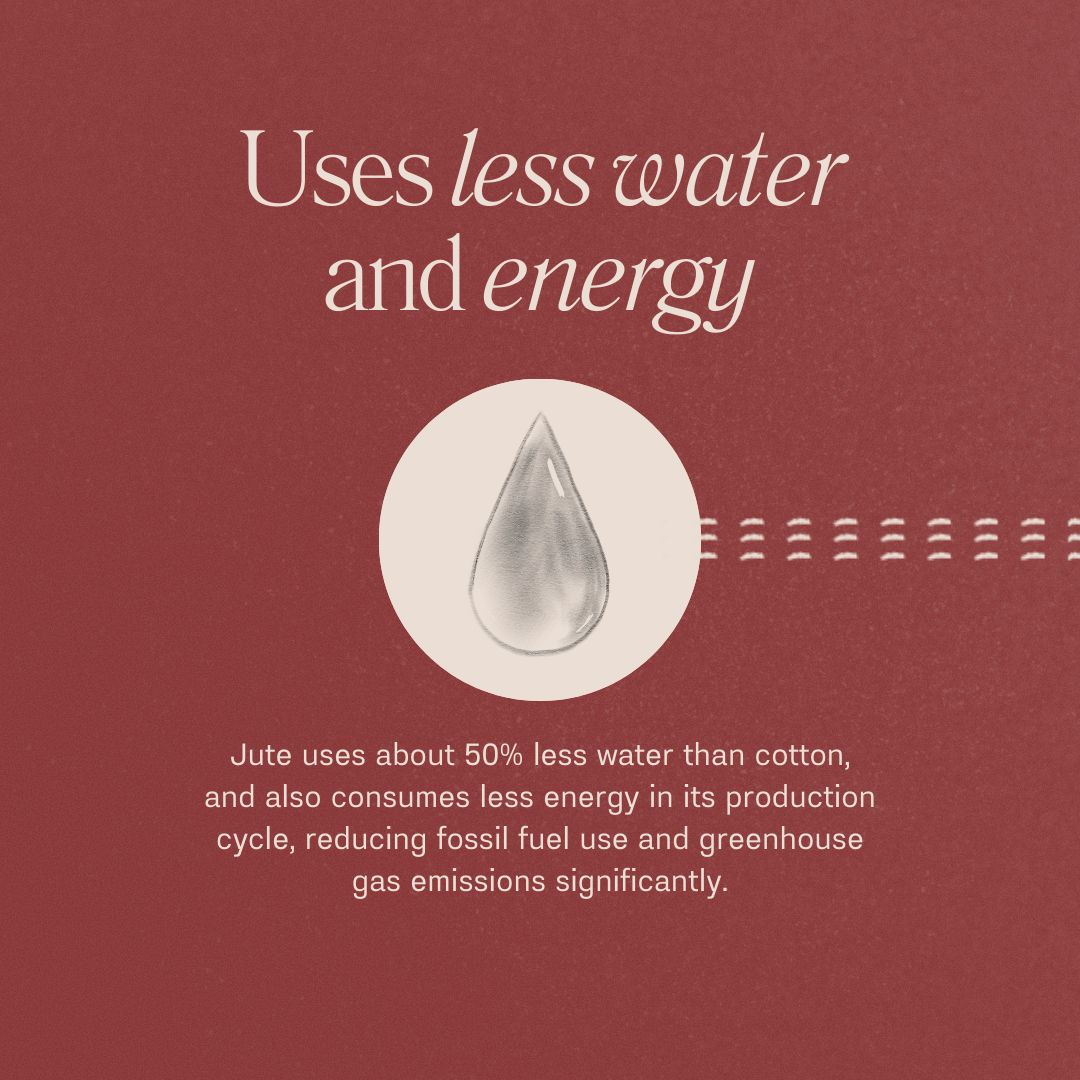
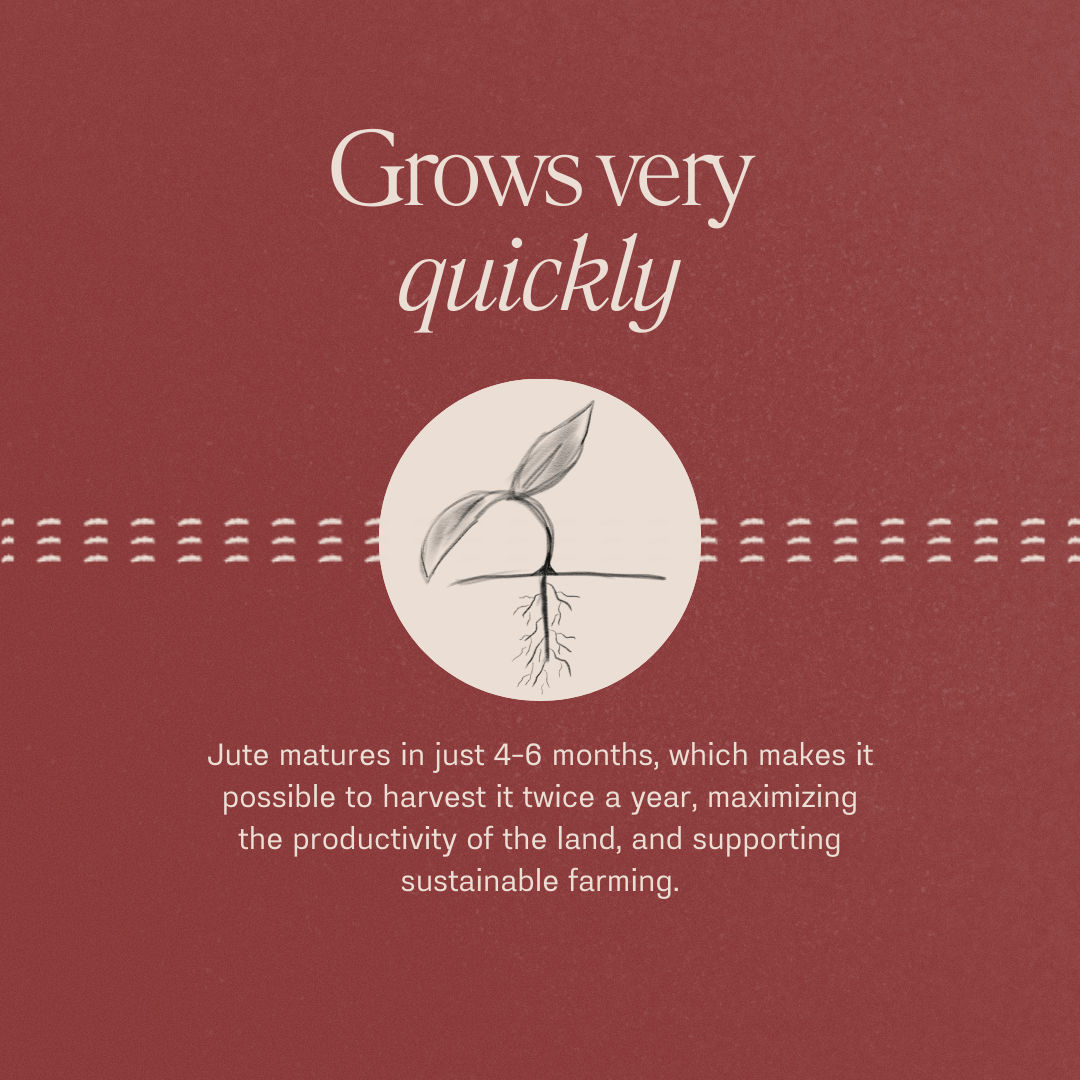
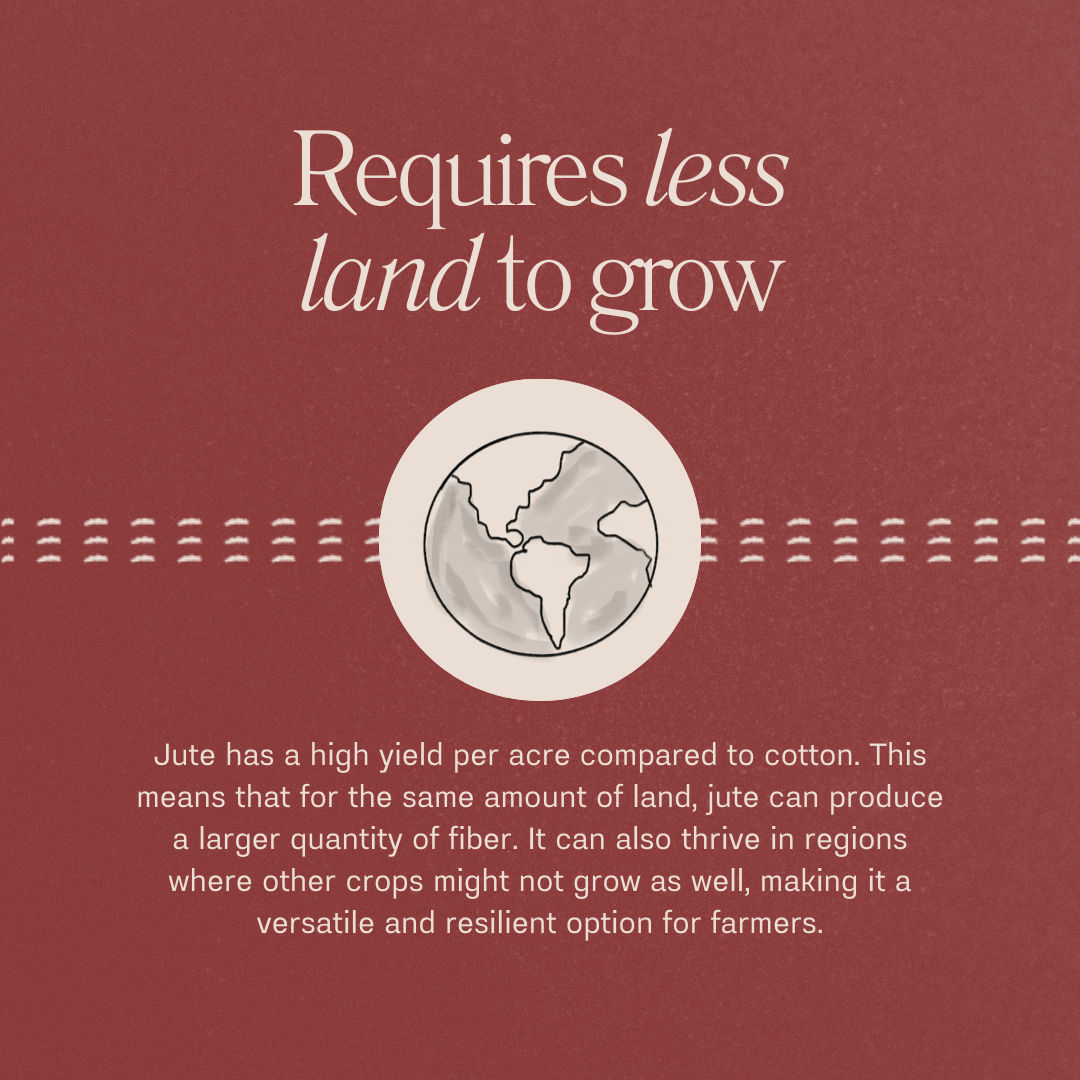
Choosing jute aligns with our goal of reducing environmental impact. Jute cultivation requires about 50% less water than cotton and consumes less energy, significantly lowering fossil fuel use and greenhouse gas emissions. Its rapid growth cycle—maturing in just 4-6 months—allows for biannual harvesting, maximising land productivity sustainably. Jute’s high yield per acre and ability to thrive in diverse conditions make it a resilient and versatile option for sustainable farming practices. Moreover, jute enriches soil health by adding nutrients and capturing substantial amounts of CO2, contributing to improved soil fertility and carbon sequestration.
Beyond its environmental advantages, jute embodies durability and strength, ensuring our products last longer and reduce waste. As a natural fibre, jute is biodegradable and compostable within 1-2 years, contrasting starkly with synthetic fibres that can take centuries to decompose. By opting for jute, we actively reduce plastic pollution, as each jute bag can replace hundreds of single-use plastic bags over its lifetime. Jute’s breathable and lightweight qualities also enhance its versatility, making it ideal for a range of products from clothing to bags and hats, ensuring comfort and sustainability go hand in hand.


At Ohrna, jute isn’t just a material; it’s a commitment to sustainability, craftsmanship, and community. By choosing jute, we honor a legacy of resilience and innovation while paving the way for a greener, more sustainable future—one fiber at a time.